
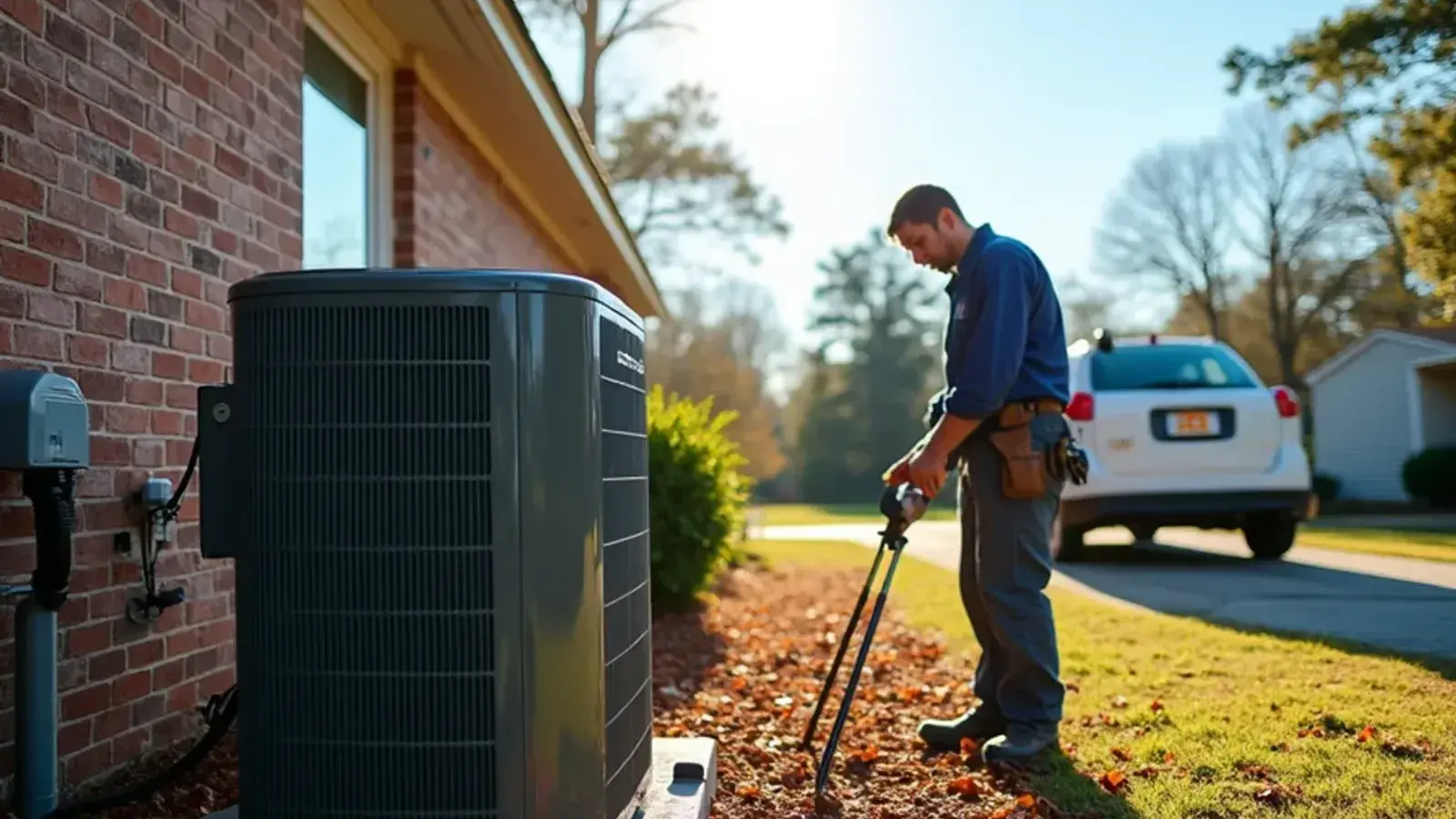
To restart your AC after a storm power outage, set the thermostat to Off, walk outside and check the condenser for debris, damage or a flood line, reset any tripped breaker once, switch the disconnect back on, wait a few minutes, then call for cooling. Leave any damaged or flooded unit off.
If your HVAC is not working after a power outage, the cause is often simple: a tripped breaker, a thermostat that lost its settings, or a safety delay still counting down. But storms also deliver lightning surges, flying debris and floodwater, and running a damaged system can finish off parts that might have been saved. A few minutes of checking before you restart is worth it.
Midlands homeowners have seen both kinds of storm. Afternoon thunderstorms bring lightning most summers, and Hurricane Helene in late September 2024 left trees down and power out across the region, especially in Aiken County.
Walk the outside first
Before touching the thermostat, go look at the outdoor unit.
- Downed power lines: stay far away from any wire on the ground or in a tree and report it to your electric utility. Assume it's live.
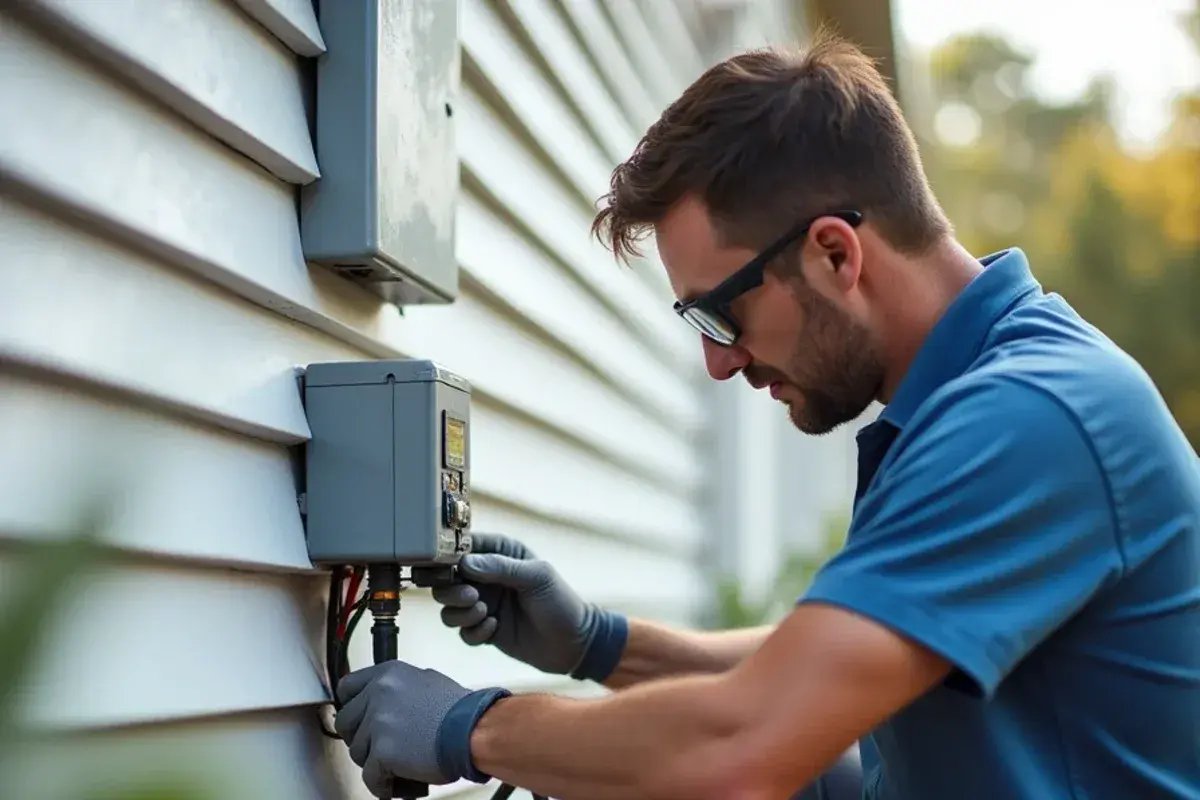
- Debris: limbs, leaves and pine straw on or in the unit. Switch off the outdoor disconnect, the box on the wall near the condenser, before clearing anything.
- Physical damage: a crushed cabinet, bent fan blade, or refrigerant lines that look kinked or pulled.
- Water: any sign the unit sat in standing water.
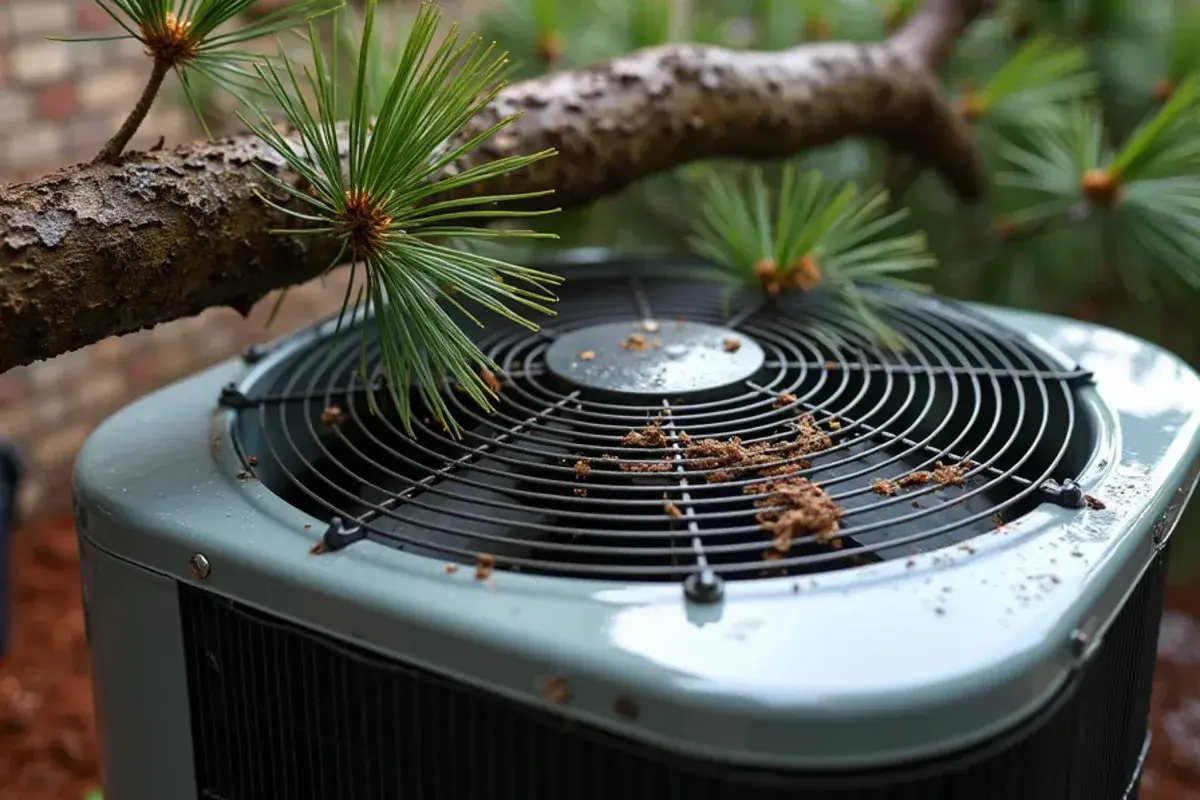
If the unit is damaged or was underwater, stop here and leave it off.
Restarting the system in the right order
When the outside looks clear, restart in this order:
- Set the thermostat to Off. This stops the system from trying to start the moment power is restored.
- Check the breakers for the indoor unit and outdoor unit. Reset a tripped one a single time.
- Turn the outdoor disconnect back on.
- Wait a few minutes. Power often flickers during restoration, and the outdoor unit may have a built-in short-cycle delay.
- Re-check thermostat settings. Some lose their schedule or switch to a default mode.
- Set to Cool or Heat and listen. The indoor fan, then the outdoor unit, should start within several minutes.
For heat pumps in cold weather, read the owner's manual: some manufacturers ask that power stay on to the outdoor unit for a while before calling for heat after a long outage.
Signs of lightning or surge damage
A nearby strike or a surge when power is restored can damage electronics without leaving a mark. Watch for these:
| Symptom after the storm | Possible damage | Next step |
|---|---|---|
| Thermostat blank even with new batteries | Blown low-voltage fuse, damaged transformer or control board | Leave off, call |
| Indoor fan runs, outdoor unit never starts | Failed contactor, capacitor or outdoor control board | Call for diagnosis |
| Breaker trips immediately when reset | Shorted wiring or compressor | Leave breaker off, call |
| Burnt or hot-plastic smell from the unit | Overheated wiring or motor | Breaker off, call |
| Unit runs but air isn't cool | Damaged compressor or refrigerant issue | Turn off, call |
| Clicking with no startup | Control board or relay fault | Call for diagnosis |
Many of these are electrical repairs at the board, wiring or disconnect level. Our HVAC electrical repair work covers the circuits and components that feed and control your equipment.
If your equipment sat in floodwater
Floodwater carries silt, debris and sometimes sewage. When it reaches a condenser, it can soak motors, controls and wiring. When it reaches a crawlspace furnace or air handler, it can contaminate ductwork as well.
Don't run equipment that was underwater, even if it looks dry now. A technician needs to check electrical components, motors and controls, and some parts will need replacing. Parts of Cayce near the river took on floodwater in 2015, and many owners there have learned the value of raised condenser pads.
Documenting damage for insurance
Whether a policy covers storm damage to HVAC equipment varies, so ask your agent. Good records help either way:
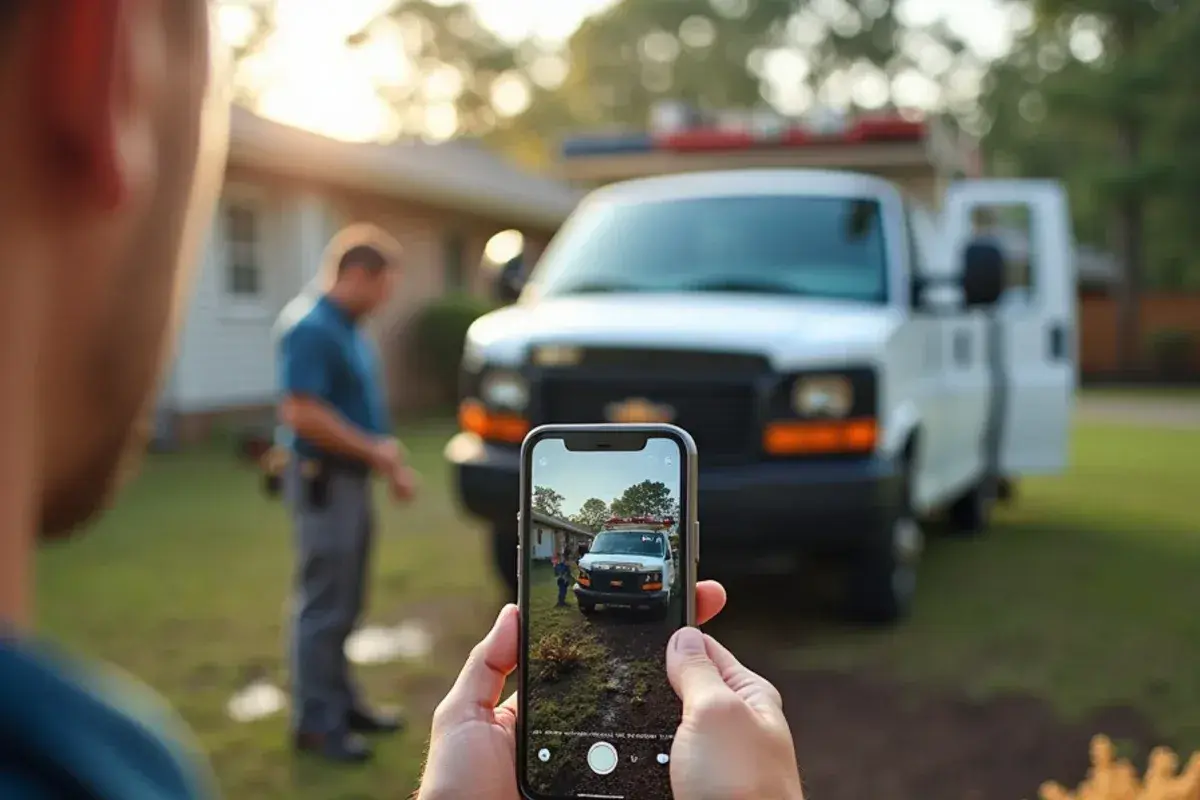
- Photograph and video the unit, debris and any flood line before cleanup.
- Note the date and approximate time of the storm and the outage.
- Keep the technician's written findings describing what failed and the likely cause.
- Save receipts for repairs and any temporary cooling or heating you used.
Protection before the next storm
A surge device at the outdoor disconnect, paired with whole-home surge protection at the main panel, adds layers of defense for the electronics in modern systems. It won't stop a direct lightning strike, but it helps with the more common surges from nearby strikes and restoration switching.
Other steps that help: trim limbs that hang over the condenser, keep the pad level and raised where water collects, and secure loose items in the yard before a storm. If you plan to use a generator, have a transfer switch installed so it can be used safely.
Why the first start after an outage is hard on a compressor
Most of the storm-related compressor and motor failures we see happen at the restart, not during the storm itself. Three things are working against the equipment in that first minute.
Unstable voltage. While crews restore lines, power can sag, flicker and drop out several times. A compressor or fan motor that starts on low voltage draws extra current and heats up fast, and one that gets power cut and restored seconds apart may try to start against pressures that haven't equalized. That is why the thermostat goes to Off first and why the few-minute wait matters. Many outdoor units have a built-in delay for the same reason; a thermostat that seems slow to respond is often just counting down.
Cold refrigerant in the compressor. During a long outage in cold weather, refrigerant drifts to the coldest spot in the system and can settle into the compressor oil. Most heat pump compressors have a crankcase heater, a small heater that keeps that oil warm, but it only works with power on. That is the reason some manufacturers tell owners to leave the outdoor unit powered, or run emergency heat, for several hours after a long winter outage before letting the heat pump run. Your manual has the exact instructions for your model.
Hidden surge damage. A surge can weaken a part without killing it. A control board or capacitor may run for a day and then fail, so if the system starts but behaves strangely, note what you see and when.
The trade-off after a surge is usually about scope. A damaged control board or contactor is a reasonable repair on a sound system. If the compressor itself took the hit on an older unit, you will hear the case for repair and for replacement side by side, along with what the technician found that points to storm damage rather than age.
Getting help after a regional storm
After a big storm, calls come in waves across Lexington County and beyond. When you call for storm HVAC repair, mention anyone at home who is vulnerable to heat or cold and any safety concern you spotted, so the visit can be triaged accordingly. In Aiken, roughly an hour's drive from our Lexington base, Helene showed how long outages can stretch, so plan for the possibility of a wait and keep vulnerable family members cool or warm in the meantime.
The short version
Look before you restart. Clear debris only with the power off, leave flooded or damaged units alone, restart in order, and watch for the warning signs in the table. If anything smells, trips or stays silent, turn it off and call. A careful restart costs nothing; a rushed one can turn a cheap control fix into a compressor replacement.
If the outdoor unit took a hit, sat in water, or won't come back after the restart steps, call (213) 423-7827. Tell us what you saw outside and what the thermostat is showing, and we will sort out whether it needs a technician today or can wait for the next open slot while the storm calls are worked through.