

An AC frozen coil happens when the indoor evaporator coil gets colder than 32°F and the moisture it pulls from your air turns to ice instead of dripping into the drain pan. Either too little warm air is crossing it, or the refrigerant inside it is running at too low a pressure.
The coil is supposed to run cold, but not that cold. Find which of those two is happening and you have found the problem.
Why ice forms on a coil in July
Your indoor coil works by letting refrigerant absorb heat from the air the blower pushes across it. That heat keeps the coil surface just above freezing. Cut the airflow, and the coil has less heat to absorb and drops below freezing. Lose refrigerant, and the pressure in the coil falls, which drops its temperature as well.
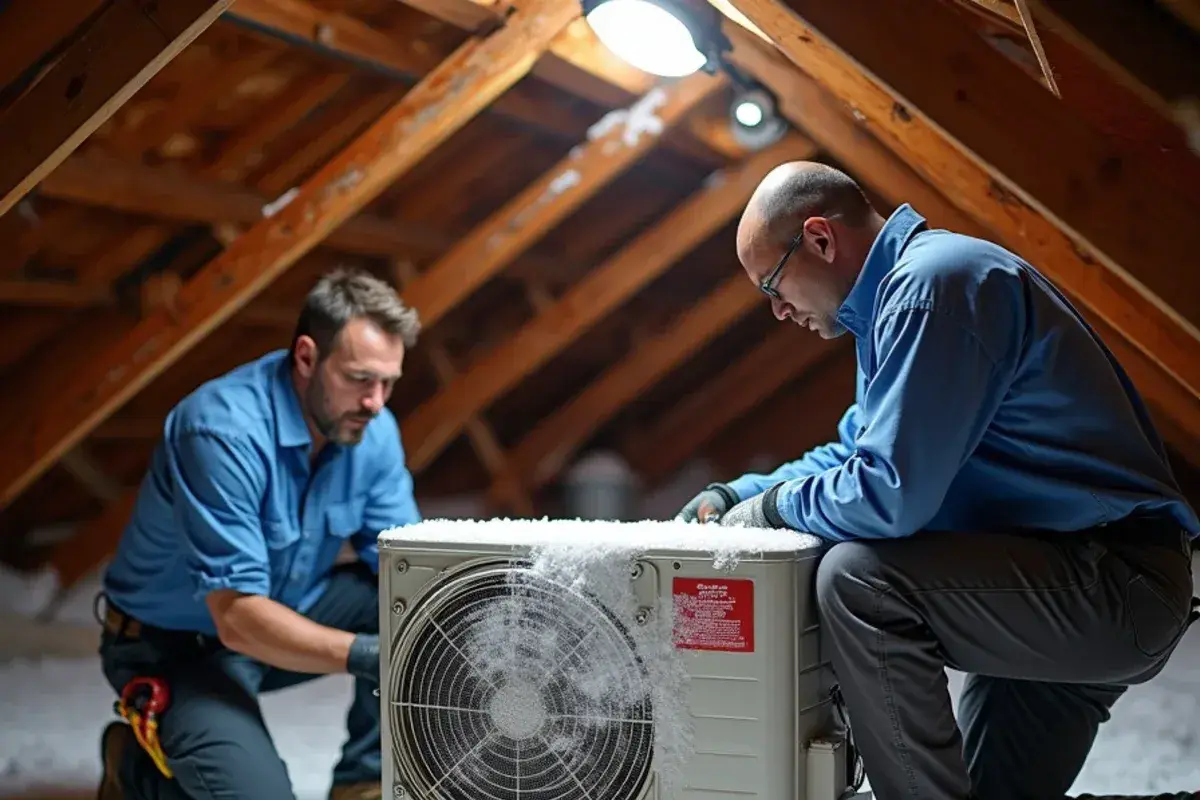
Midlands humidity speeds things up. On a muggy afternoon the coil pulls a lot of water out of the air, so once the surface dips below freezing, ice builds quickly. That is why people searching for "AC freezes when hot outside" are often surprised: the system runs nonstop in the heat, and a small airflow or charge problem has hours to turn into a block of ice.
The causes, from most to least common
| Cause | Clue you might notice | Usually a DIY fix? |
|---|---|---|
| Dirty or clogged filter | Gray, matted filter; weak airflow everywhere | Yes |
| Blocked returns or many closed vents | Furniture over grilles, rooms shut off | Yes |
| Dirty indoor coil | Airflow weak even with a new filter | No |
| Blower motor or capacitor failing | Fan slow, noisy or stopping | No |
| Collapsed or disconnected duct | One area with almost no airflow | Sometimes inspect, repair is pro work |
| Low refrigerant from a leak | Ice returns after every thaw, long run times | No |
| Metering device restriction | Ice on part of the coil, odd pressures | No |
| Running cooling on cool nights | Ice after a mild night with a low setpoint | Yes, raise the setpoint |
Airflow problems
Most frozen coils start with airflow. Spring pine pollen in the Midlands loads filters fast, so a filter changed in March can be choked by May. Closing supply vents in unused rooms raises resistance in the duct system rather than saving energy. Returns blocked by furniture or rugs do the same.
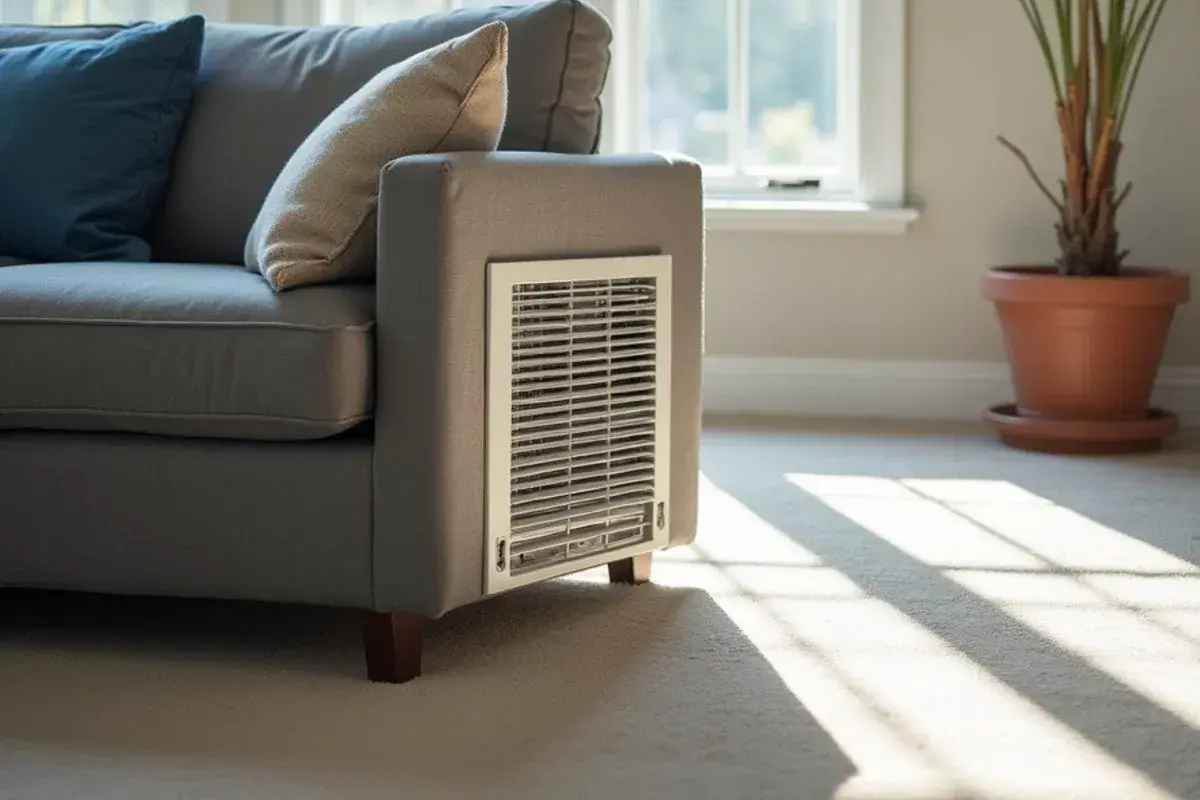
Seven Oaks has plenty of split-levels and ranches from the 1970s and 1980s with duct runs in the crawlspace. Damaged or disconnected runs down there can cut airflow to the coil, and the sweating ducts that come with humid summers can hide the problem.
Refrigerant problems
If the filter is clean, the vents are open and the coil still refreezes, suspect refrigerant. A slow leak lowers pressure in the coil until it freezes. Adding refrigerant without finding the leak only buys time. Our refrigerant leak and coil repair work starts with locating the leak, then repairing it or replacing the coil, and charging to the manufacturer's specification.
Around Red Bank, many homes still have the original systems installed when their subdivisions went in. Coils of that age develop small leaks at joints and bends, and a freeze-up is often the first sign.
Can the thermostat or the system size freeze a coil?
Sometimes. A thermostat set very low and left running through a mild spring night keeps the compressor going when the house has little heat for the coil to absorb, and ice can build by morning. That one is fixed by raising the setpoint. An oversized system more often short-cycles than freezes, but a system matched to ducts that are too small for it can starve its own coil of air. That is a design problem, and it usually shows up as freezing that returns even with a fresh filter.
How to thaw it without causing damage
- Set the thermostat to OFF for cooling.
- Switch the fan to ON so the blower moves warm room air across the coil.
- Put towels or a shallow pan under the air handler and check the drain pan, especially with attic units.
- Replace the filter if it is dirty.
- Wait until all the ice is gone from the coil and the copper lines before restarting.
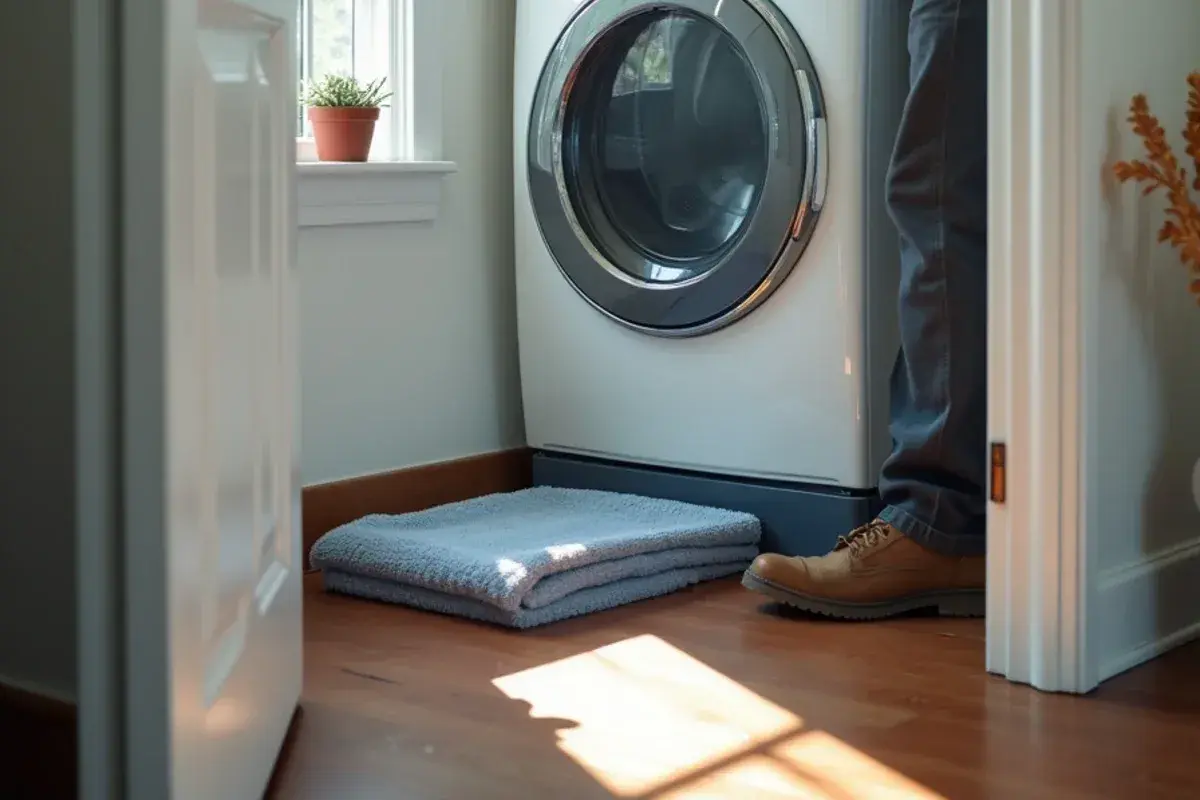
Attic air handlers deserve extra attention. Many newer two-story homes around Lexington have the indoor unit above a bedroom or hallway ceiling, with a secondary pan underneath and often a float switch wired to cut the system off if the water level climbs. A big thaw can fill that pan faster than the drain clears it. If you can reach the attic safely, check the pan every half hour or so during the thaw and look for water stains on the ceiling below.
Do not chip or scrape ice off the coil. The fins and tubes are thin and puncture easily. Keep heat guns and hair dryers away from the cabinet, since there is wiring inside and water everywhere during a thaw.
Signs it needs a technician
- Ice comes back within a day of restarting.
- The blower runs weakly, stops, or makes grinding noises.
- You hear hissing at the indoor or outdoor unit.
- Water is overflowing the drain pan or coming through a ceiling.
- The filter and vents were fine before the freeze-up.
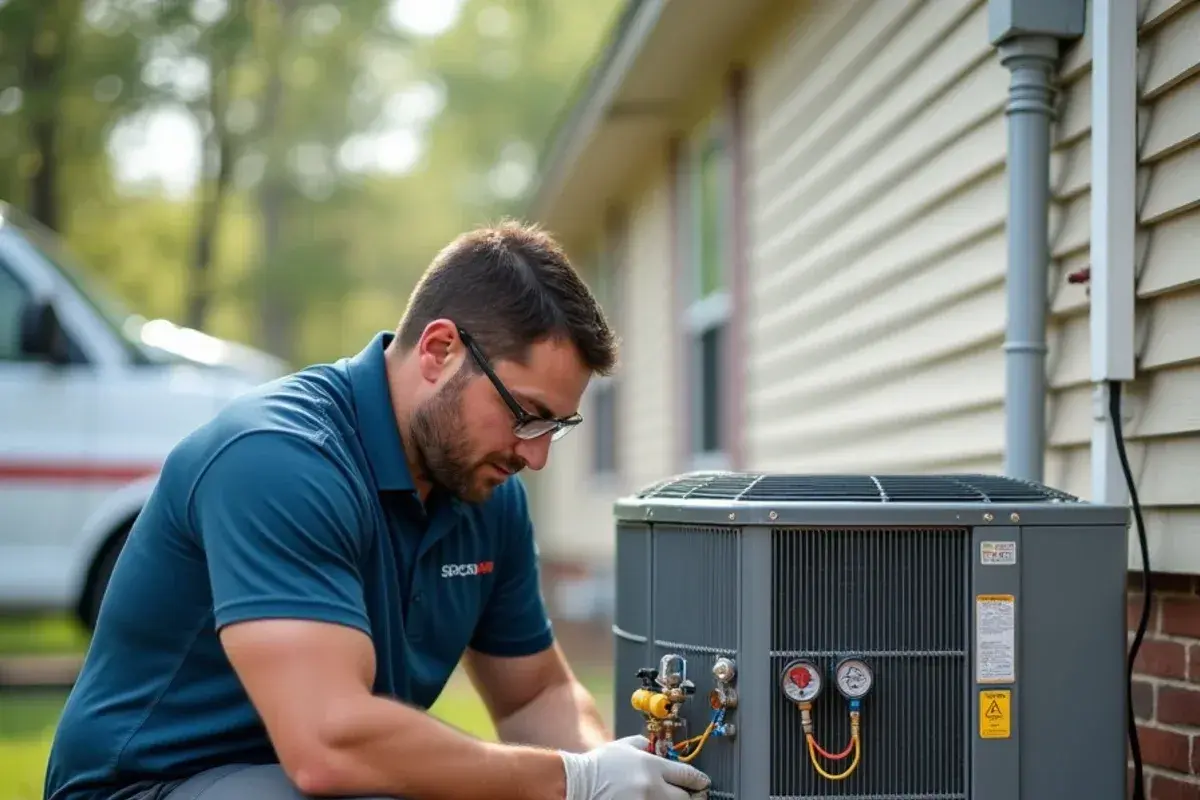
On an AC repair visit, a technician checks blower speed and static pressure, inspects the coil, and measures refrigerant pressures and line temperatures. Those numbers show whether the coil is starving for air or for refrigerant.
Why gauges lie on an iced coil, and other bench notes
A frozen coil looks simple from the hallway. From the service side, a few details decide whether the fix lasts.
Readings taken on ice are wrong. With the coil iced, refrigerant pressures read low even when the charge is perfect, because the coil cannot absorb heat. A technician who hooks up gauges and adds refrigerant to an iced system can overcharge it, which brings its own problems. The honest sequence is thaw first, clean filter in, airflow confirmed, and only then read superheat and subcooling.
Static pressure tells the airflow story. We read the resistance the ducts, filter and coil put in front of the blower, then compare it with the air handler's rated limit. Builder-grade systems around the Midlands sometimes have return ducts that are too small, so the system is always on the edge of freezing and a slightly dirty filter tips it over.
Better filters have a trade-off. A high-efficiency pleated filter catches more pollen and dust, which helps allergies. On a system with tight returns, it can also cut airflow enough to freeze the coil. The fix may be a larger filter grille or a deeper media cabinet, not a cheaper filter.
A dirty coil needs the right cleaning. Dust that gets past a loose filter mats on the face of the indoor coil. Light buildup can be cleaned in place with a coil cleaner rated for indoor use. Heavy matting may mean pulling the coil, which costs more labor but actually clears the fins instead of pushing the dirt deeper.
Leaks get found, not guessed. When airflow checks out and the coil still ices, an electronic leak detector, bubble solution or a nitrogen pressure test locates the leak before any refrigerant goes in. On an older coil with several leaks, we lay out repair against coil replacement so you can choose.
Keeping it from happening again
Change the filter on a schedule that matches your home, more often during pollen season and with pets. Keep returns clear and supply vents open. Book a spring cooling check so the coil, blower and charge get looked at before the long summer. We help homeowners across Lexington County with frozen coils every cooling season. If you see ice today, turn the cooling off, start the thaw, and call once you know whether a fresh filter fixed it.
If the ice comes back, call (213) 423-7827. Tell us how long the system ran before it froze and whether the filter was dirty, and we will plan the visit around finding the real cause.