
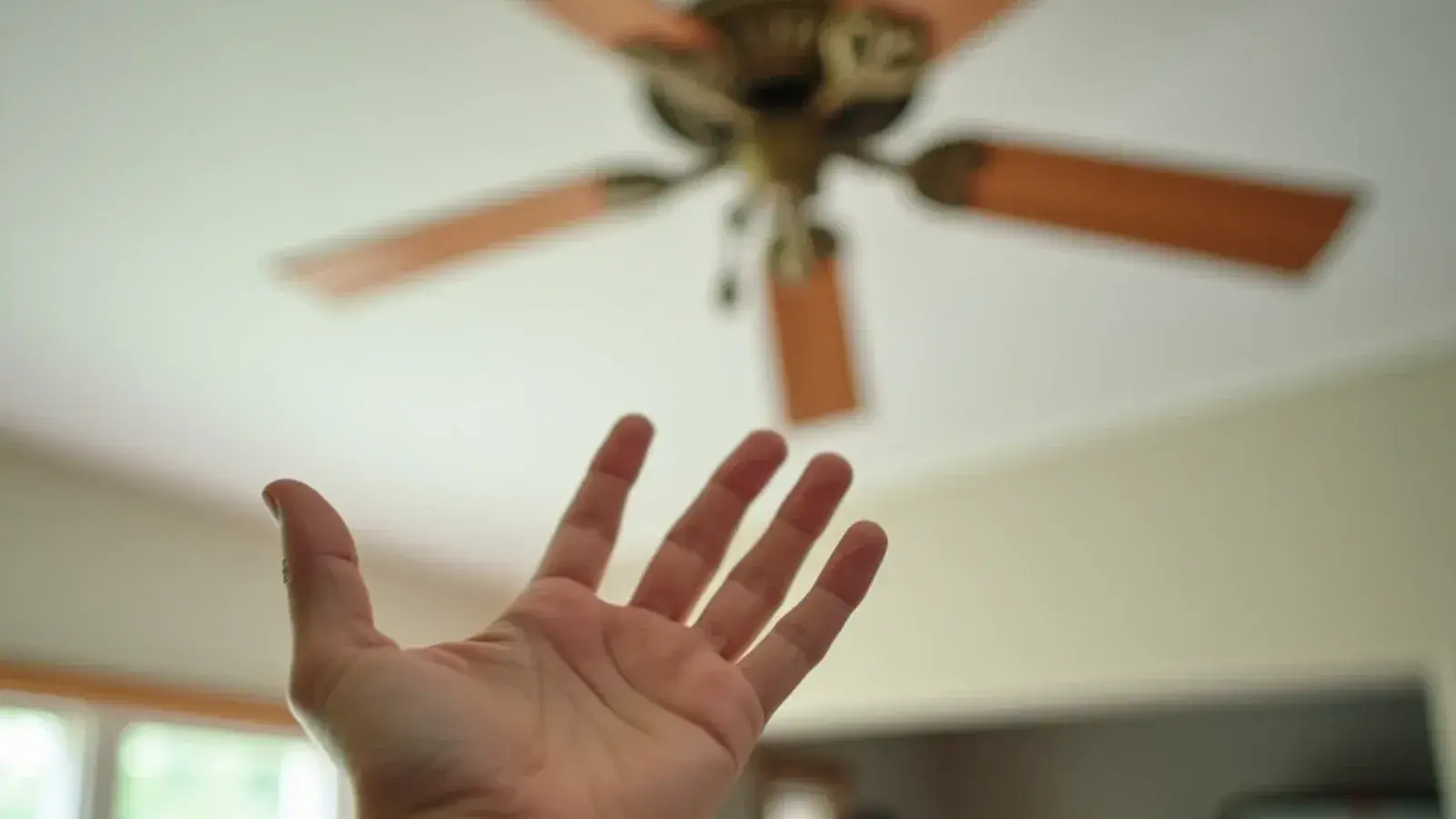
An AC blowing warm air usually has one of seven causes, and they run from a thermostat setting you can fix in seconds to a refrigerant leak that needs a technician. Start with the checks below, then use the table to judge whether you are looking at a filter, a failed part outdoors, a leak or a duct problem.
The trick is knowing which clues point where, and which ones mean you should stop troubleshooting and turn the system off.
Start with the thermostat and the filter
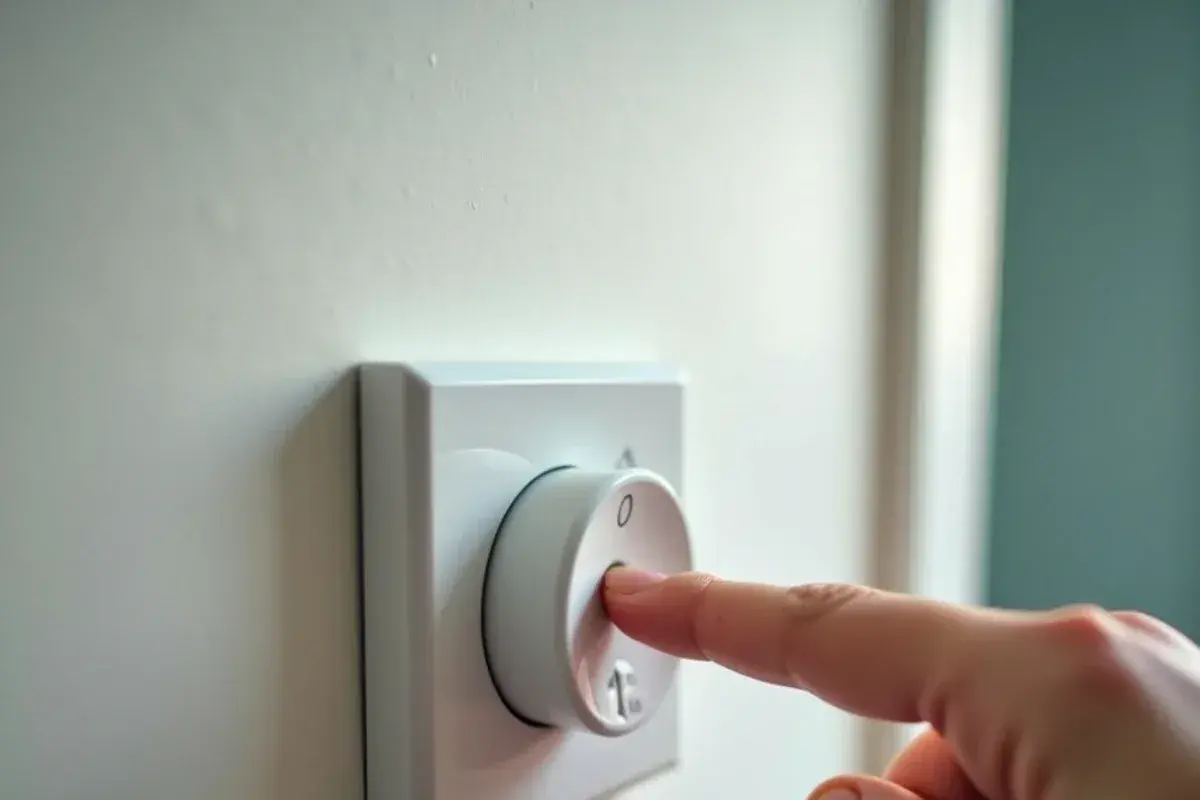
1. Thermostat set to the wrong mode or fan setting
If the fan is set to ON instead of AUTO, the blower keeps running after the outdoor unit stops, pushing room-temperature air through the vents between cycles. A thermostat accidentally switched to heat, or a schedule that raised the setpoint, causes the same complaint. Dead batteries in some thermostats can also stop the cooling call.
2. A clogged air filter
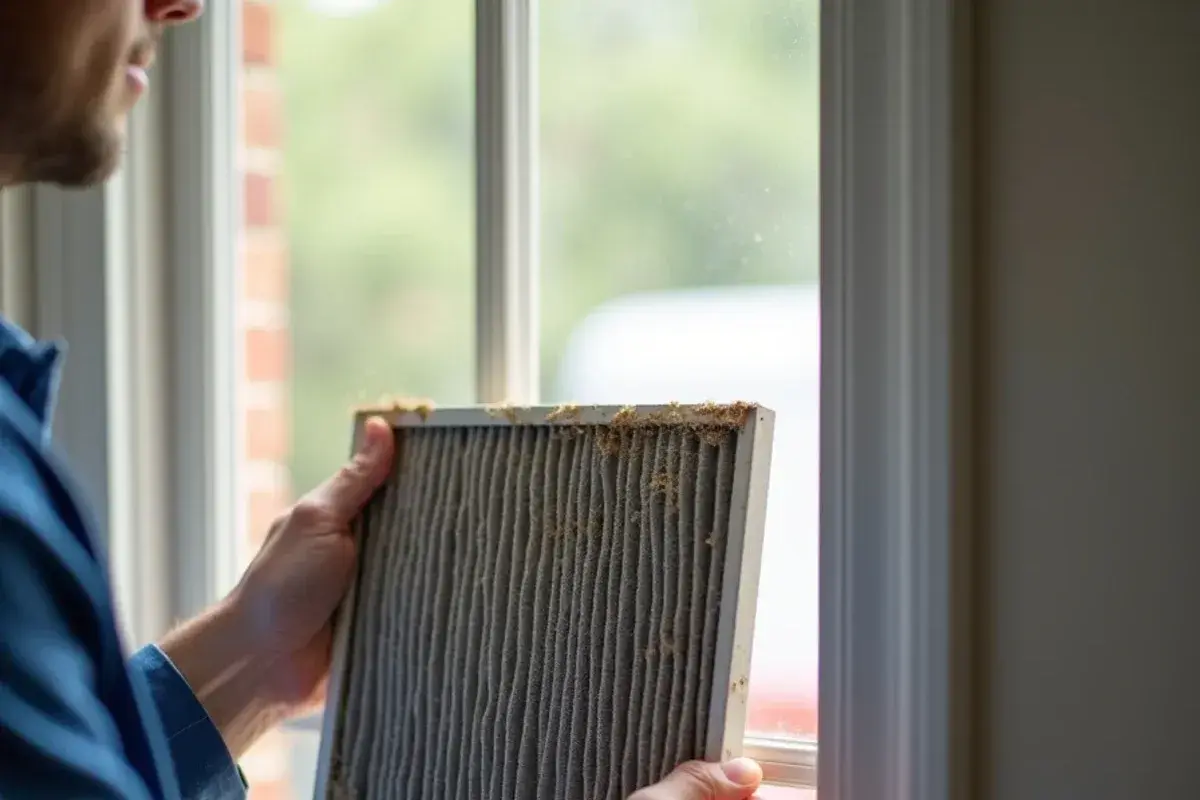
A filter packed with dust, pet hair or spring pine pollen chokes the airflow across the indoor coil. Weak airflow means the air that does come out feels barely cool, and if it goes on long enough, the coil can freeze. Pull the filter and hold it up to a light. If you cannot see light through it, replace it.
Problems at the outdoor unit
3. The condenser is not running
Go outside while the thermostat is calling for cooling. If the indoor fan runs but the outdoor unit is silent, or it hums with the fan still, the cooling side is not working. Common reasons include a tripped breaker, a blown fuse in the outdoor disconnect, a failed run capacitor or a worn contactor. Some systems also have a float switch on the indoor drain that shuts off the outdoor unit when the condensate line backs up.
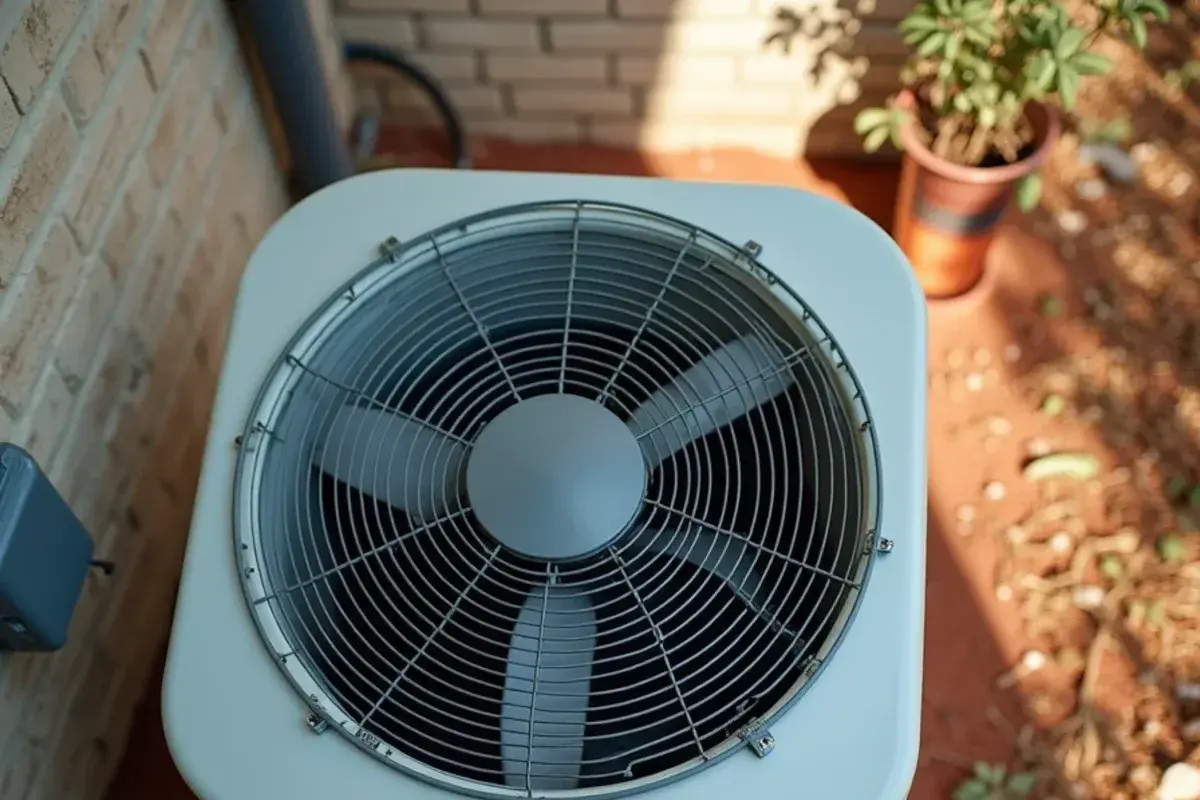
A bad AC capacitor is one of the most frequent summer failures in the Midlands, where outdoor units sit in long stretches of 90-degree heat. Capacitors store a strong electrical charge even with the power off, so leave testing and replacement to a technician.
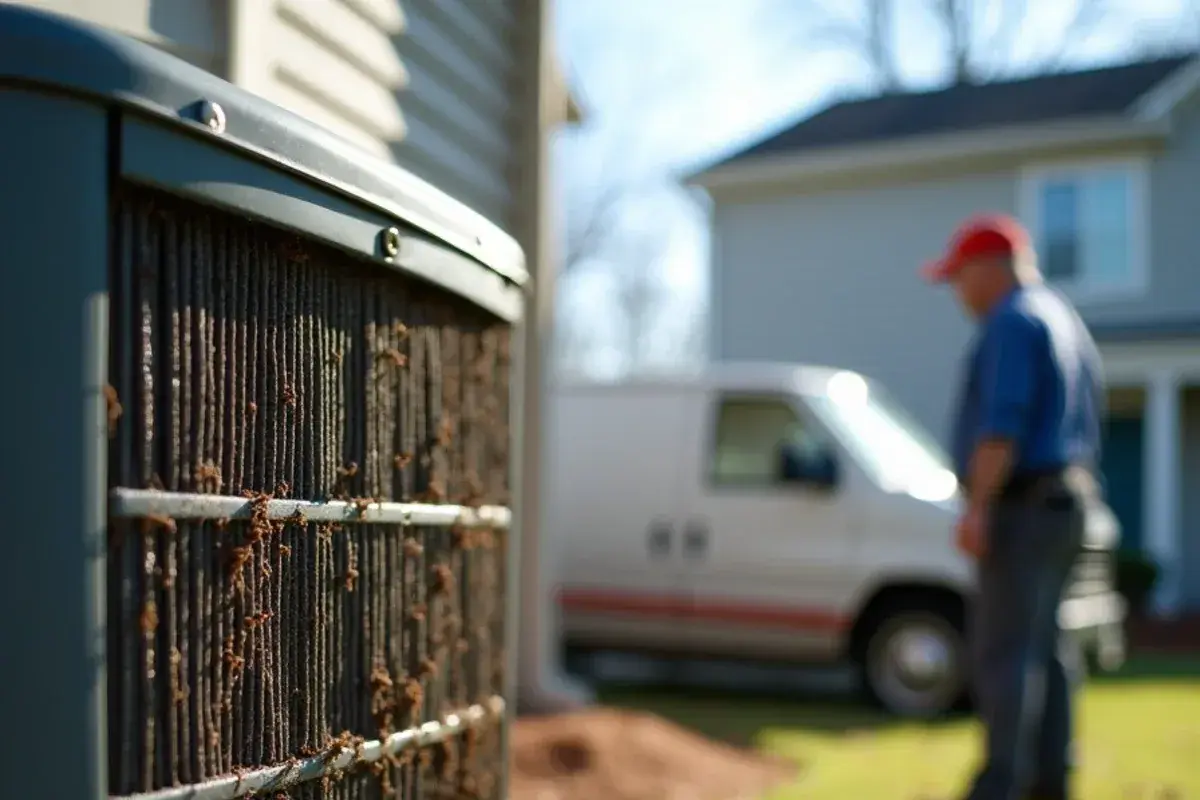
4. A dirty condenser coil
The outdoor coil gets rid of the heat pulled out of your house. When pollen, grass clippings and dirt mat the fins, the system cannot shed that heat and the air inside comes out warmer than it should. A gentle rinse from the inside out with a garden hose, power off, helps. Bent fins and heavy buildup need a proper cleaning.
Refrigerant leaks and frozen coils
5. Low refrigerant from a leak
Refrigerant is not used up like fuel. If the charge is low, it leaked out somewhere. Low refrigerant signs include warm or lukewarm vent air, longer run times, ice on the larger copper line, a hissing or bubbling sound, and higher power bills. Small leaks at coil joints, flare fittings and service valves are common. An oily spot on the copper can be a clue.
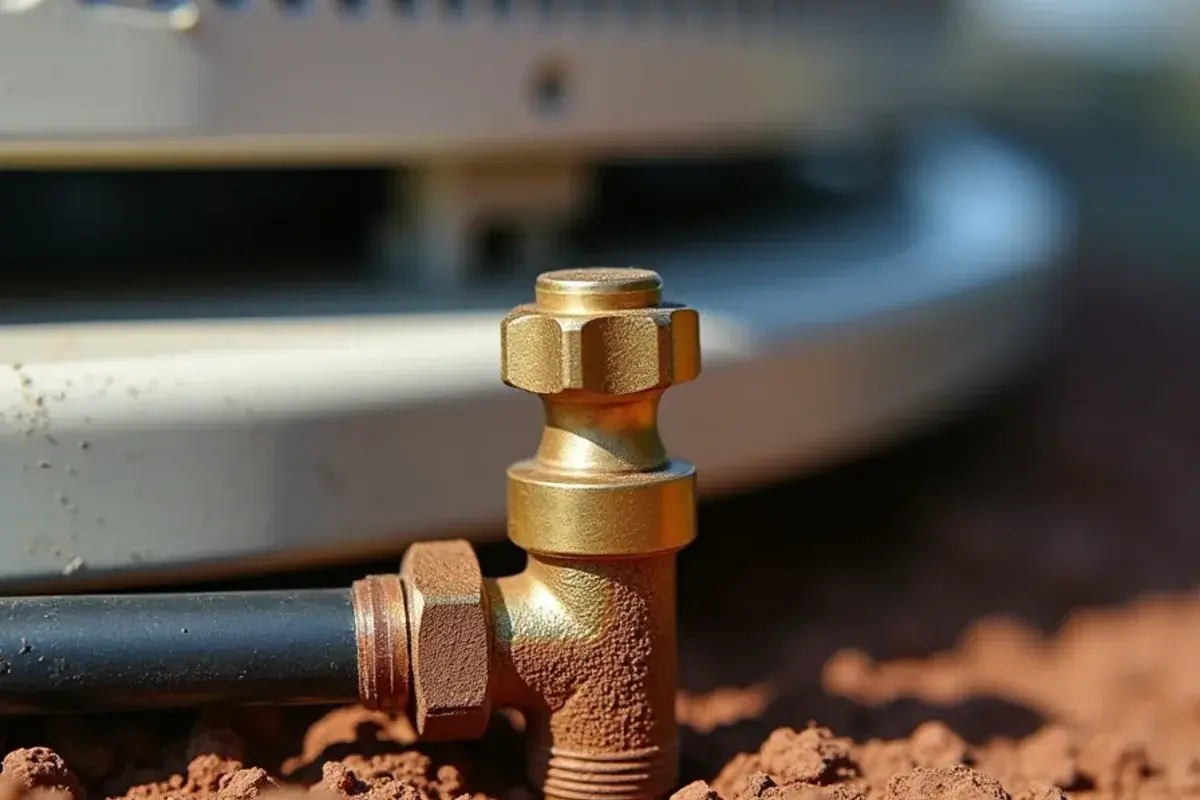
Leak detection and repair, followed by a correct charge, is the job of our coil and refrigerant leak repair service. A technician will check the type of refrigerant too, since older R-22 systems depend on limited reclaimed supply, which can change whether repair or replacement makes more sense.
6. A frozen evaporator coil
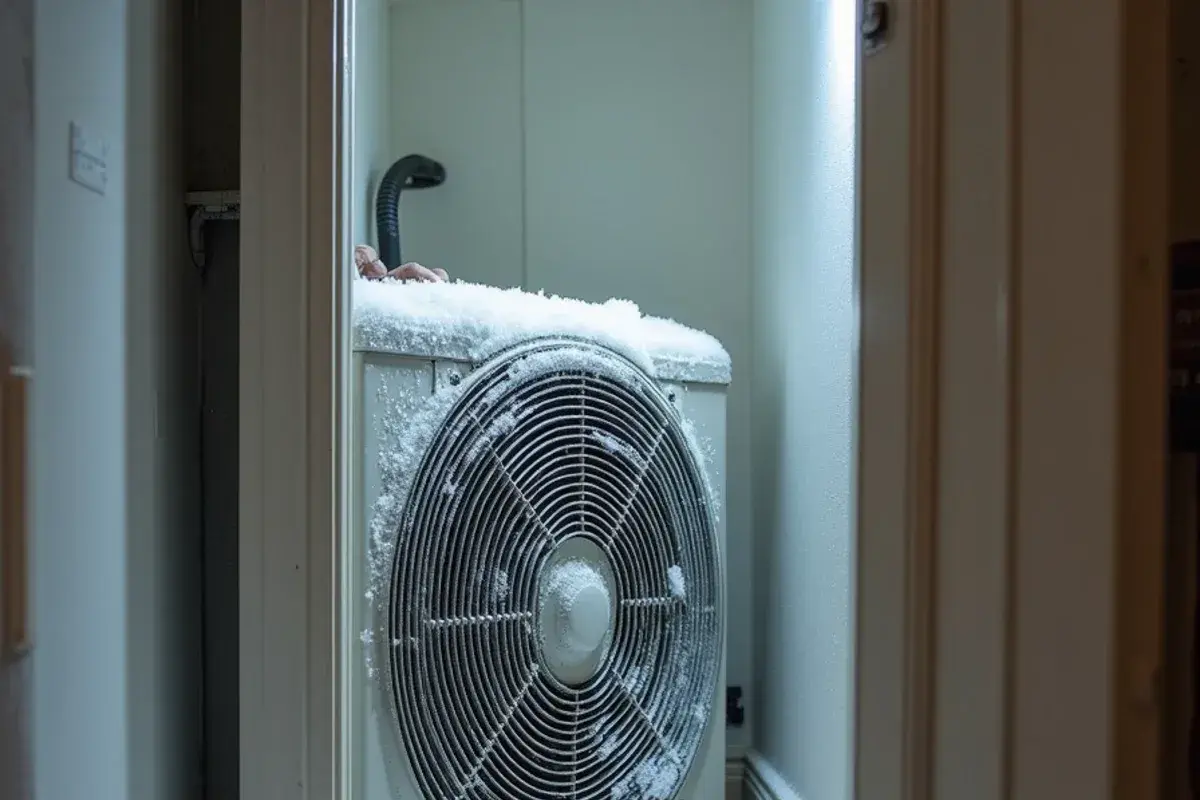
When the indoor coil ices over, air cannot pass through it and the vents blow weak, warm-feeling air. Restricted airflow and low refrigerant are the usual triggers. Turn the system off, set the fan to ON to help thaw it, and keep an eye on the drain pan as the ice melts. If it refreezes after restarting, the root cause still needs fixing.
When the ductwork is the problem
7. Leaking or disconnected ducts
Sometimes the AC is cooling just fine and the cool air never reaches the room. A supply duct that slipped off its boot in the attic, or a crushed run, sends conditioned air into an attic that runs far hotter than the outdoor air on a summer afternoon. Worse, a leaky return duct up there can pull that superheated attic air back into the system. One room blowing warm while the rest of the house is fine is a classic sign.

In Oak Grove, many 1980s and 1990s slab ranches still have their original attic duct runs, and age shows up as loose connections and torn insulation. Older mill-era and mid-century homes in West Columbia can have ducts that were added or modified several times over the decades.
Outdoor unit running but the vents still blow warm
This is one of the most common versions of the complaint, and it narrows things down. A running outdoor unit means power is reaching it, but the fan and the compressor are separate parts. Stand next to the unit for a minute. If the fan spins and the top grille blows only mildly warm air, while the copper lines feel no different from the outside air, the compressor may not be running at all.
A compressor can stop on its internal overload after running hot on a 95-degree afternoon, then restart once it cools, which shows up as cooling that comes and goes. It can also fail to start because of a weak capacitor or a worn start component. Repeated overload trips shorten a compressor's life, so this pattern deserves a service call rather than a wait-and-see approach.
If you have a heat pump, there is one more possibility. A heat pump cools by reversing the flow of refrigerant with a reversing valve. When that valve sticks, or a newly installed thermostat is wired with the changeover setting backward, the system can heat the house in cooling mode. That mix-up after a do-it-yourself smart thermostat swap is easy to check and fix.
Reading warm vent air the way a technician does
From the homeowner's side, warm air is one symptom. From ours, it is a set of measurements that point in a direction. These are the checks behind the diagnosis, and the trade-offs we explain once we find the cause.
Temperature split first. We measure the air going into the return and the air coming out of a supply register near the air handler. A healthy system shows a clear drop, and how much depends on the indoor humidity that day. A small drop with strong airflow suggests a charge or compressor problem; a large drop with weak airflow points to a dirty coil, a clogged filter or a blower issue.
Charge by the numbers, not by feel. Refrigerant level is judged with pressure and temperature readings, called superheat and subcooling, compared against the manufacturer's chart. Adding refrigerant because a line feels warm is how systems end up overcharged, which also causes poor cooling and strains the compressor.
Find the leak before the refill. A system that needs refrigerant has a hole somewhere. Topping it off without a leak search means paying for the refrigerant twice. When the leak turns out to be in an indoor coil on an older system, we lay out the repair cost against replacement so you can weigh both.
Check the ducts before blaming the equipment. When one room is warm and the rest are fine, the condenser is rarely the culprit. A look at the attic often saves a homeowner from an unnecessary repair.
Matching the symptom to the likely cause
| What you notice | Most likely cause | Can you check it? |
|---|---|---|
| Warm air only between cycles | Fan set to ON | Yes, switch to AUTO |
| Weak, barely cool airflow | Dirty filter or frozen coil | Yes, check the filter |
| Outdoor unit silent or humming | Breaker, capacitor, contactor | Breaker only |
| Ice on the copper lines | Low refrigerant or airflow problem | Shut off and call |
| System runs nonstop, bills climbing | Refrigerant leak or dirty outdoor coil | Rinse coil; leak needs a technician |
| One room warm, others fine | Duct leak or disconnection | Look in the attic if safe |
Getting it fixed
If the quick checks do not solve it, our AC repair technicians test the electrical parts, measure refrigerant pressures and check airflow until they find the cause, then explain your options before any work starts. We work throughout Lexington County, and when the schedule has room, the repair can often happen the day you call. On a dangerously hot day, keep blinds closed, run ceiling fans and keep everyone hydrated, and call 911 for anyone showing heat-stroke symptoms.
When the vents are still blowing warm after your checks, call (213) 423-7827 and tell us what the outdoor unit is doing. That one detail helps us bring the right parts and get your house cooling again.