
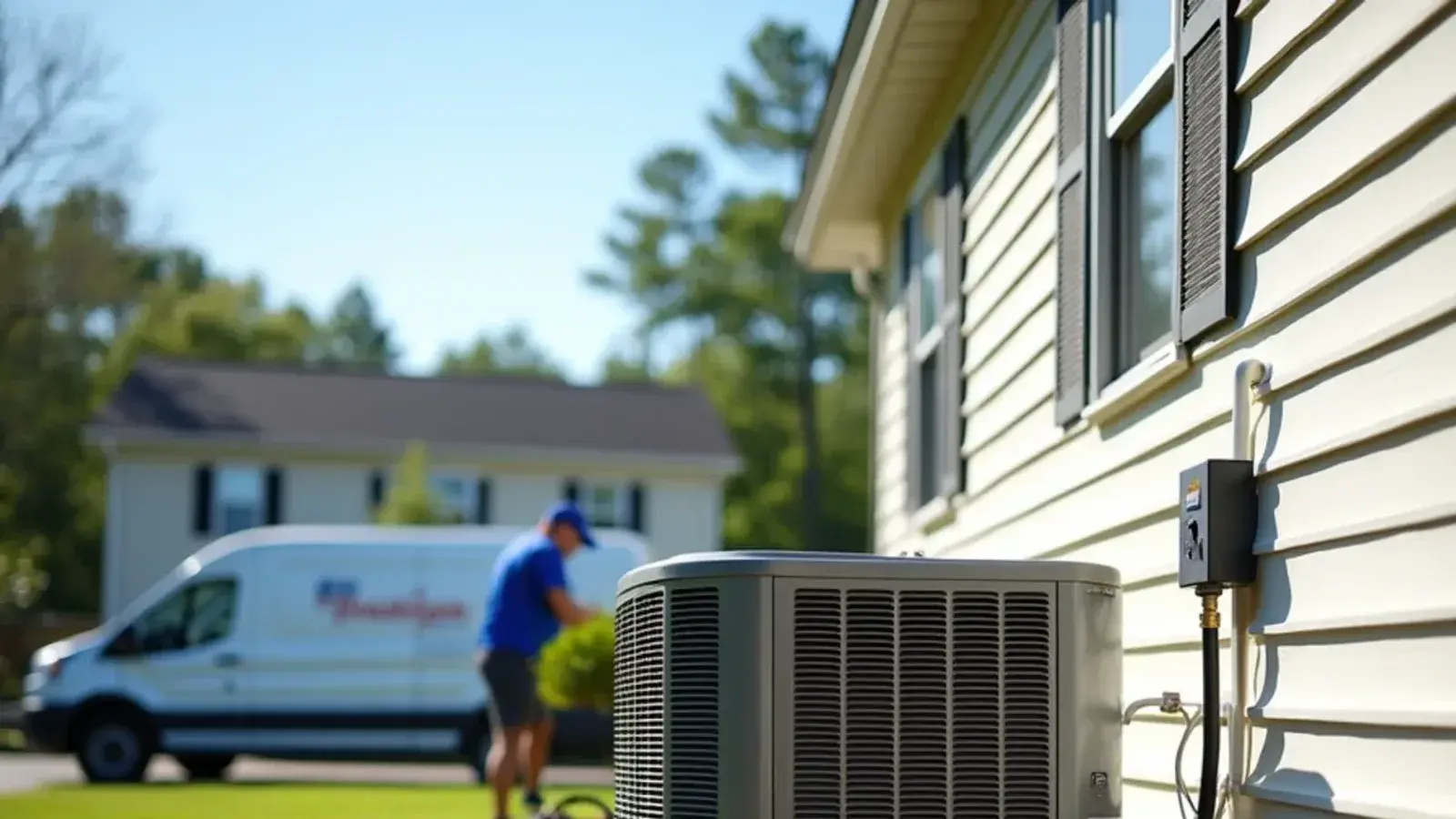
AC replacement cost in Lexington, SC is set by five things: the size the load calculation calls for, the SEER2 efficiency and staging you choose, the new A2L refrigerant coil match, the condition of your ductwork, and access and electrical work at your house. Equipment is only part of it, so compare itemized written quotes, not totals.
The price depends on far more than the box that sits outside. Two homes on the same street can need very different systems because of how they were built, how their ducts were run and what's already in the attic. That's why we don't publish a price list, and why you should be cautious with any number you're given before someone has looked at your house.
What we can do is explain what drives the price up or down, so you can read a quote with confidence and compare contractors on equal terms.
Sizing comes first: tonnage and the load calculation
Air conditioners are sized in tons of cooling capacity. Bigger isn't better. An oversized unit in our humid climate cools the air fast, shuts off, and leaves moisture behind, so the house feels clammy. An undersized one runs constantly on the hottest days.
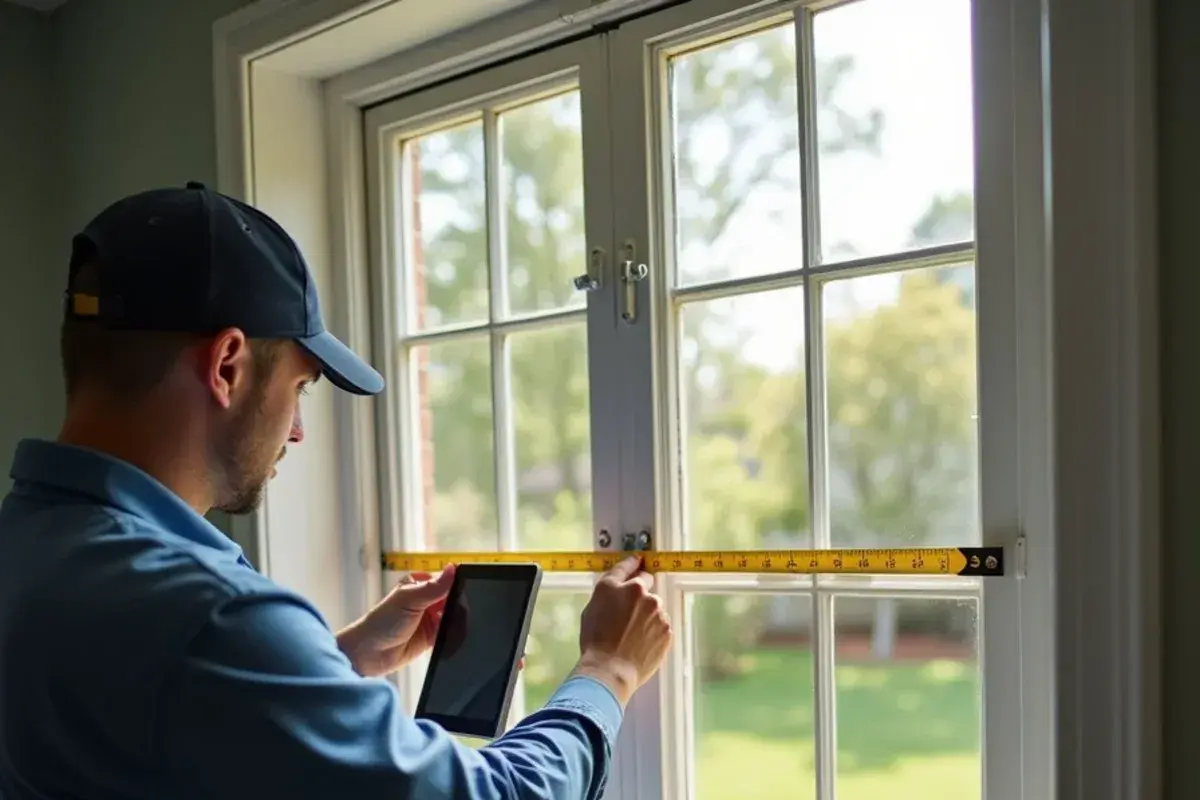
The right size comes from a room-by-room load calculation (the industry standard is ACCA Manual J), which accounts for square footage, window area and direction, insulation, air leakage and ceiling height. A contractor who sizes by "same as the old one" or square footage alone may be copying a mistake made years ago.
Larger tonnage generally costs more, but the bigger price swings come from the factors below.
Efficiency level: SEER2 and staging
SEER2 replaced SEER as the efficiency rating in 2023. South Carolina falls in the Department of Energy's Southeast region, where new split-system central air conditioners must meet at least 14.3 SEER2 under 45,000 Btu/h, or 13.8 SEER2 at 45,000 Btu/h and above.
Above the minimum, you're paying for lower operating costs and comfort features:
- Single-stage units run at full output or off.
- Two-stage units run at a lower setting most of the time, which removes more humidity and runs quieter.
- Variable-speed units adjust output in small steps, holding temperature and humidity steadily.
Higher-efficiency equipment costs more up front. Whether it pays back depends on how long you'll stay in the home, how hard the system works each summer and your electric rates.
Refrigerant changes and the indoor coil
Beginning in 2025, federal refrigerant rules shifted new home AC systems away from R-410A and toward lower-impact A2L refrigerants, with R-454B and R-32 the common choices. An A2L condenser needs an indoor coil designed for that refrigerant, so most replacements now include a new coil, and sometimes a new air handler or furnace match.
If your current system still uses R-22, which ended US production in 2020, the whole system is typically replaced. Line sets may be reused after inspection or may need replacing, depending on their size, condition and the manufacturer's requirements.
The house itself: ducts, access and electrical
The parts of the job that aren't equipment often explain the biggest differences between quotes.
- Ductwork condition. Leaky, crushed or undersized ducts can waste much of a new system's capacity. Repairs, duct sealing and testing or partial replacement add cost but protect your investment.
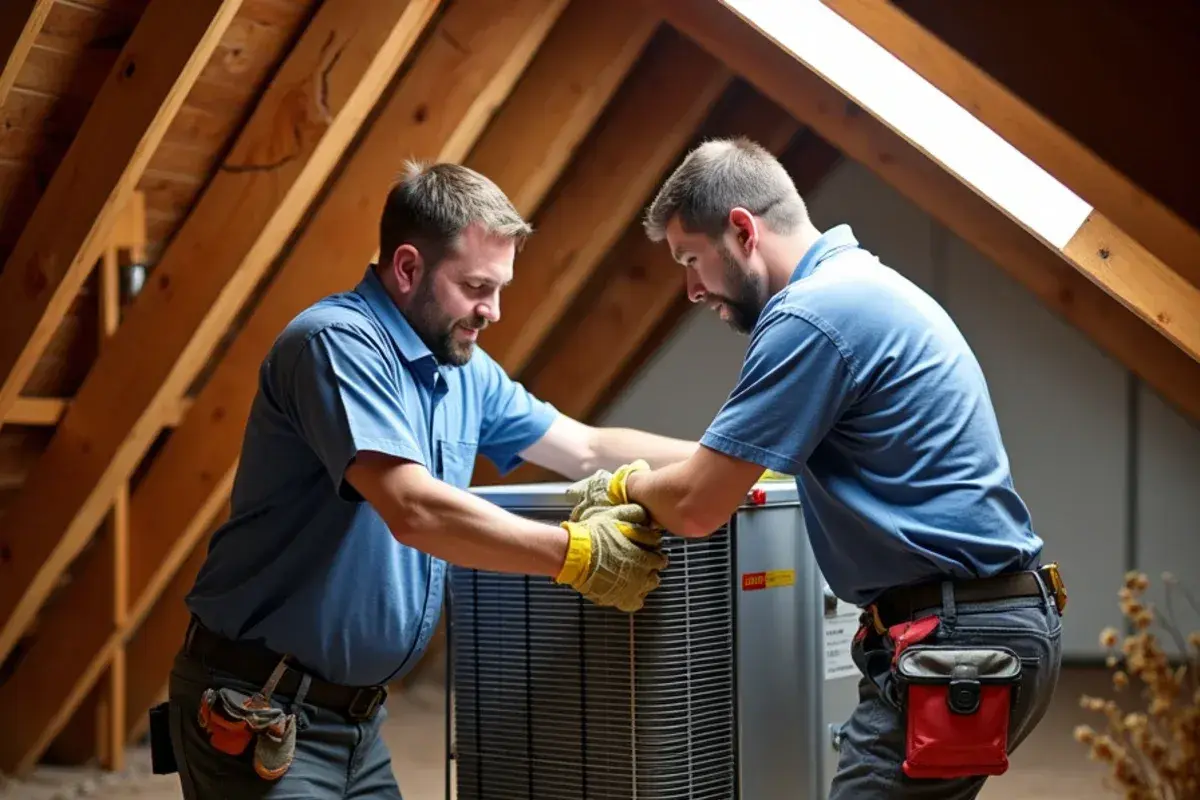
- Equipment location. Attic air handlers in two-story homes take more labor than a closet unit. Tight crawlspaces add time too.
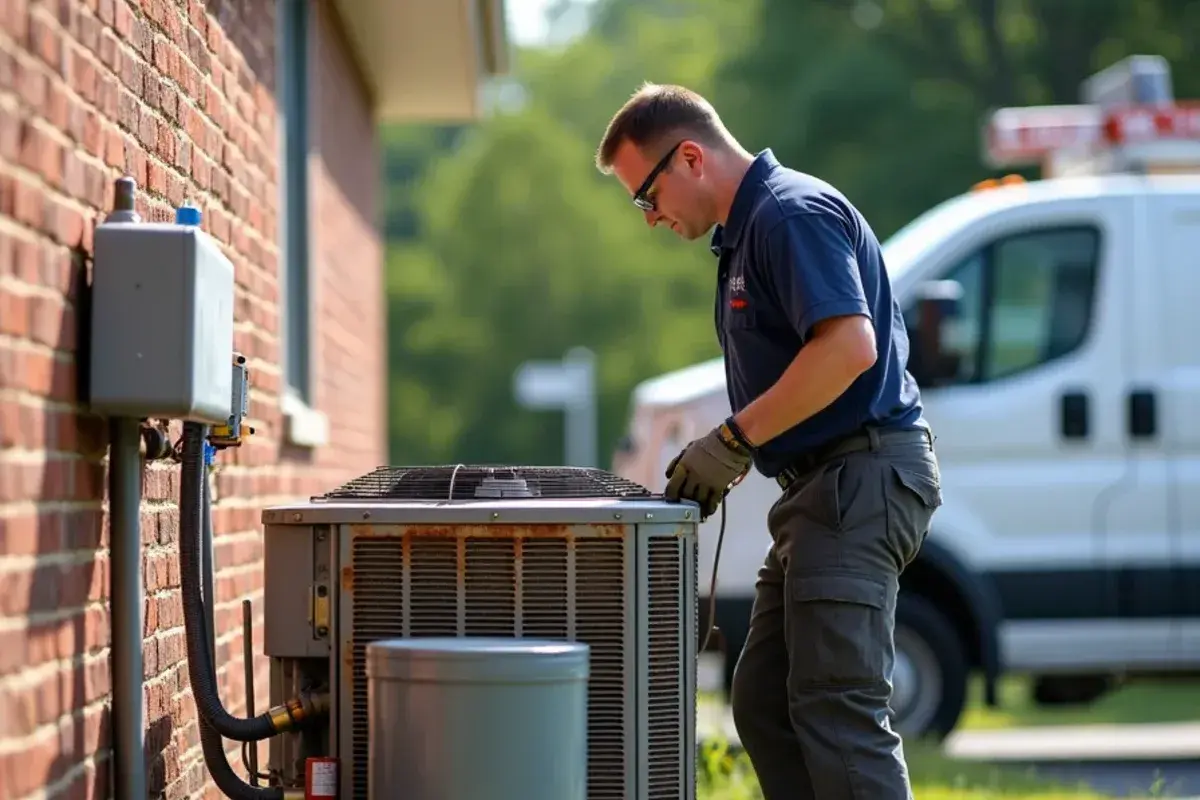
- Electrical work. A new disconnect, a different breaker size or updated wiring may be needed for the new equipment.
- Pad, drain and safety devices. A new pad, condensate drain changes and a float switch for attic units are common line items.
- Permits and inspection. Swapping out equipment generally means a mechanical permit and inspection through your local building office.
- Thermostat. A variable-speed system may need a compatible control.
Reading and comparing written quotes
A good written quote lists what you're getting and what's being done. Use this checklist when you compare:
| Line item | What to look for | Why it matters |
|---|---|---|
| Equipment | Model numbers for condenser, coil and air handler or furnace | Lets you confirm the matched SEER2 rating |
| Sizing basis | A load calculation, not just "same size" | Avoids repeating an old sizing error |
| Refrigerant | Which refrigerant and whether the line set is reused or replaced | Affects compatibility and warranty |
| Ductwork | Inspection findings and any repair or sealing included | Duct problems limit any new system |
| Electrical | Disconnect, breaker, wiring changes | Prevents surprise add-ons |
| Permit | Who pulls it and whether inspection is included | Required work, often left off cheap quotes |
| Removal | Old equipment haul-off and refrigerant recovery | Recovery is required under EPA Section 608 |
| Warranty | Manufacturer terms and registration steps | Unregistered equipment may get shorter coverage |
| Thermostat and accessories | Thermostat, pad, float switch, drain | Small items add up |

When one quote is much lower than the others, look for what's missing. Also check that any contractor holds a current South Carolina license; the license lookup run by South Carolina's Department of Labor, Licensing and Regulation (LLR) is free to search.
Where two quotes for the same house drift apart: an installer's notes
When homeowners show us two quotes that differ a lot, the gap is usually in work that never shows up in the photos. These are the steps worth asking every bidder about.
- A matched, certified combination. Efficiency ratings belong to a specific condenser, coil and air handler or furnace together, not to the outdoor unit alone. AHRI, the industry certification body, publishes those combinations in its public directory. Ask for the AHRI reference number on your quote and look it up yourself.
- A static pressure reading on the existing ducts. This measures how hard the blower has to push against the duct system. When it reads high, a new variable-speed system will be noisy and never reach its rated output. Fixing a restrictive return now costs less than living with it for fifteen years.
- Line set decisions in writing. Reusing copper lines can be fine if they are the right size, in good shape and allowed by the manufacturer for the new refrigerant. If they're buried in a finished wall, replacing them is a real expense, so you should know which way the quote went and why.
- Brazing with nitrogen flowing. Running nitrogen through the copper while joints are brazed keeps scale from forming inside the lines, where it can later clog the metering device.
- A deep evacuation measured with a micron gauge. Pulling the system into a deep vacuum removes moisture and air before refrigerant goes in. A gauge reading proves it happened; a fixed number of minutes on a pump does not.
- Startup readings recorded. Superheat or subcooling, temperature split and airflow, written down on the day the system starts.
None of these make a quote look impressive, and some bids skip them to save hours. They are also the difference between a system that lasts and one that needs repairs in its second summer. On our own estimates, each one is a line you can see.
Rebates, credits and paying over time
For 2026 installations, the federal 25C credit no longer applies. Utility programs, such as any Dominion Energy SC offers, and manufacturer promotions change through the year, so ask about current options when you get your quote and consult a tax professional about your own situation. We also offer HVAC financing for homeowners who prefer to spread the cost; ask for details when you call. You can also ask about current discounts.
Our estimates are free, and our published discounts apply to replacements: 10% for public school system employees, 15% for veterans, first responders, law enforcement and health care workers, and 20% for families with a special-needs family member living at home. Mention it when you book so it shows on the written quote.
Neighborhoods where replacements are coming due
A lot of the subdivision housing in Red Bank went up during the years when the federal floor was 13 SEER (2006 to 2014), and those first-generation systems are now the ones homeowners are pricing out. In Irmo, 1970s to 90s neighborhoods near the Lake Murray dam often have older systems whose ductwork needs attention at the same time. Across Lexington County, quotes cover the full range, from brick ranches with crawlspace ducts to newer two-story homes with attic equipment.
A practical next step
Gather your last few summer electric bills, note any rooms that never cool well, and find the age of your current unit on its data plate. Then get at least two written quotes based on a load calculation. Our AC installation estimates walk through the options, pros and cons, and leave the decision with you.
To set up a free in-home estimate, call (213) 423-7827. Have the data plate age, your rough square footage and a list of problem rooms handy, and we'll schedule a visit that includes the load calculation and a duct check, so the quote you get reflects your house rather than a guess.